Checked against official sources in November 2026. Rules change, so follow the links before you act.
Every club treasurer knows the feeling: the pitch needs work, the under-9s need new kit, and the bank balance says no. The good news is that most grassroots clubs don't need one big win. They need a handful of reliable ideas that suit their volunteers, their members and their local area.
Below are 25 ideas grouped into five areas: events, regular income, sponsorship, online and members. For each we've given a rough sense of the effort and the likely return. They also work for PTAs, scout groups and other community groups. Where there are rules to follow, such as raffles, alcohol or Gift Aid, we link to the guide that explains them.
Before you kick off: pick ideas that fit your club
The best fundraising idea is the one your volunteers will actually deliver. Before choosing, ask three questions at committee: how many people will help, how much money do we need to put up front, and what has worked here before?
A small club with five reliable volunteers is better off with two or three easy wins and one regular income stream than with a big event that burns everyone out. A larger club with lots of junior families can take on a fun day or festival, because the parents are your workforce and your audience at the same time.
| Idea type | Effort | Likely return | Rules to check |
|---|---|---|---|
| One-off events | Medium to high | Medium to high | Raffles, alcohol, food, music |
| Regular income | Low once set up | Steady, adds up over a year | Club lotteries, licences |
| Sponsorship | Medium | Medium, often repeat | Governing body kit rules |
| Online | Low to medium | Variable | Online lottery limits |
| Members and families | Low | Low to medium | Gift Aid |
Effort and return are rough guides from common experience, not measured figures. Your results will depend on your club's size, area and volunteers.
Events: the big match days
Events raise money and bring the club together, but they take the most planning. Start small and grow the ones that work.
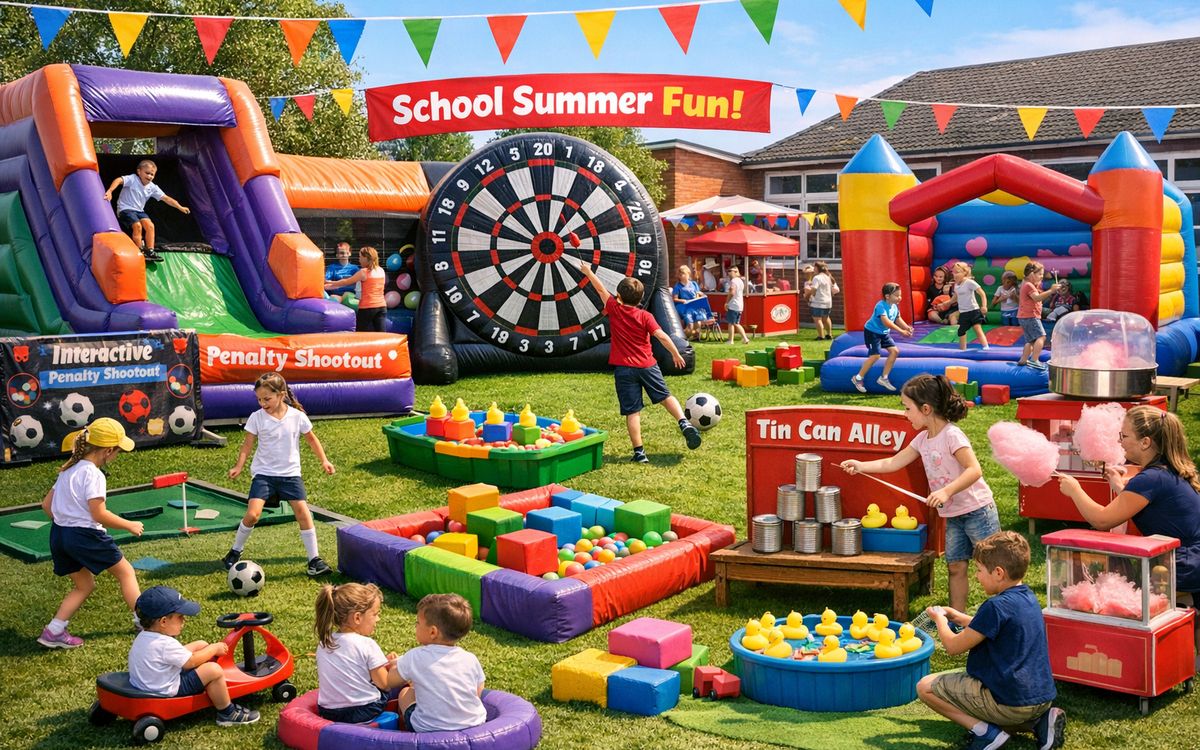
- Club fun day: high effort, high return if the weather is kind. Bouncy castles, stalls, a barbecue and a raffle. See how to run a club fun day.
- Quiz night: low to medium effort, steady return. Charge per team, add a raffle and food. A quizmaster with a good microphone makes all the difference.
- Presentation evening or club dinner: medium effort. Ticket income plus a raffle or auction. If you're selling alcohol to non-members, read our licences guide.
- Sponsored challenge: low effort, good return. A sponsored walk, a 24-hour penalty shoot-out or a juniors' keepy-uppy challenge, with players collecting pledges from family and friends.
- Club tournament or festival: medium to high effort. Entry fees from visiting teams plus refreshment sales. Book the referees and the toilets early.
- Christmas or summer fair: medium effort. Pitch fees from stallholders plus your own tombola and cake stall. Tombolas count as lotteries, so check our raffles and lotteries rules.
- Car boot sale on the club car park: low to medium effort, steady return from pitch fees, if your landlord and insurer are happy.
- Car wash by the senior squad: low effort, modest return, good for team spirit.
Half-time: where the regular money comes from
One-off events are exciting, but regular income is what keeps the lights on. These ideas take setting up, then mostly run themselves.
- Members' lottery or 100 club: low effort once running, steady return. Depending on who can buy tickets, you may need to register with your council as a small society lottery. Our raffles and lotteries guide explains which type you're running.
- Matchday tea bar: low to medium effort. Bacon rolls and hot drinks on a cold Sunday morning add up across a season. Read the food section of our licences guide for registration and allergen points.
- Clubhouse or pitch hire: low effort, steady return. Hire to other clubs, parties or community groups when you're not using it.
- Holiday camps and coaching courses: medium effort, good return if you have qualified coaches.
- Club kit and merchandise shop: low effort if you use a supplier who handles orders, so the club isn't left holding stock.
- Recycling schemes and second-hand kit sales: low effort, modest return, and families appreciate cheaper boots.
Sponsorship: playing the long game
Local businesses often want to be seen supporting the community. Keep packages simple and look after sponsors so they come back next season. Our finding local sponsors guide covers pitching and packages in detail.
- Shirt or kit sponsorship: medium effort, good return, often for two or three seasons. Junior kit has restrictions on some sponsors, so check your governing body's rules.
- Pitch-side boards: low effort once boards are made, and you can sell several a season.
- Match ball or player sponsorship: low effort, small sums from lots of people.
- Event sponsorship: a local firm sponsors your fun day or tournament in return for branding and a stall.
Online: fundraising from the sofa
Online fundraising suits clubs with active social media and a clear target, such as new floodlights or a minibus.
- Crowdfunding: medium effort. Sport England's Movement Fund can pledge to match half of a Crowdfunder campaign for eligible projects. The pledge appears once the campaign reaches 25% of its target with at least 25 different supporters, and is only paid if you reach 100%, according to Crowdfunder's eligibility page.
- easyfundraising: low effort. Supporters shop online with participating retailers, and the retailer donates to the club based on what they spend, at no extra cost to the shopper, as described by Surrey FA. We mention it as an option, not an endorsement.
- Online donations with Gift Aid: if your club is a registered CASC or charity, you may be able to claim Gift Aid on eligible donations from UK taxpayers. See our CASC and Gift Aid guide.
- Social media appeals: short, specific asks work best. 'We need 40 people to give £10 for new goal nets' beats 'please support the club'.
Raffle tickets for an event can't be sold online. Online lottery sales need the right type of lottery, usually a registered small society lottery. Check our raffles and lotteries guide before you post a ticket link.
Members and families: your home crowd
- Review subs honestly: a small rise, explained clearly, can raise more than a whole event. Offer a hardship option so nobody drops out over cost.
- Bucket collections at home games: low effort. A registered CASC or charity may be able to claim a top-up on small cash donations under the Gift Aid Small Donations Scheme. See our CASC and Gift Aid guide.
- Ask parents about employer schemes: some employers match staff fundraising or give to causes their staff volunteer for. It costs nothing to ask.
- Skills and favours: a parent who's an electrician or printer may save you more than a raffle raises.
- Grants: not fundraising in the strict sense, but often the biggest single sum. See our grants for sports clubs guide.
Full time: keep it honest and say thank you
Tell people what the money is for and then show them what you bought. A photo of the under-10s in their new kit is the best advert for next year's fundraising.
If your club raises money for a charity, or is a charity itself, the Fundraising Regulator's Code of Fundraising Practice applies to charitable institutions and the volunteers who fundraise for them. The code doesn't say whether it covers a non-charitable club raising money for itself, but its aim, that fundraising is legal, open, honest and respectful, is good practice for everyone.
Sport England's Club Matters site also has free resources on income generation, including Gift Aid, community shares and crowdfunding, as England Athletics reported. If the pages have moved, search for Club Matters income generation.
Committee questions
What is the easiest fundraising idea for a small club?
A sponsored challenge or a members' lottery. Both need few volunteers. A lottery needs setting up correctly first, so read our raffles and lotteries guide.
Can we sell raffle tickets on Facebook?
Not for a raffle held as part of a one-off event. The Gambling Commission says those tickets can only be sold at the event while it's taking place. Online sales need a different type of lottery, usually registered with your council.
Should we spend money to make money?
Sometimes, but know your break-even point first. Our fun day planner helps you work out costs against expected income before you book anything.