Checked against official sources in November 2026. Rules change, so follow the links before you act.
A good fun day can be the biggest fundraiser in a club's year and the best advert for new members. A badly planned one can leave a handful of volunteers exhausted, out of pocket and soaked. The difference is nearly always planning, not luck.
This guide walks you through a timeline from three months out to the day after, then covers roles, layout, attractions, cash and the weather. Use our fun day planner alongside it to check your budget, and our supplier listings to find hire firms in Surrey, Hampshire, Sussex and Berkshire.
Pre-season: the timeline
Work back from the date. Popular suppliers get booked up for summer weekends, so earlier is better.
- Three months out: agree the date, venue and a budget with the committee. Check the landowner or council is happy and ask your insurer whether your policy covers a public fundraising event, not just matches and training. Pick one fun day lead.
- Ten to twelve weeks out: book the big items, such as inflatables, funfair rides, marquees and toilets and fencing. Ask each supplier for insurance and safety paperwork. If you plan to apply for a grant towards the event, remember grant decisions can take months.
- Eight weeks out: confirm stallholders and food. Decide whether you'll sell alcohol and whether you need a Temporary Event Notice. Check what music licence you need. Our licences guide explains both.
- Six weeks out: start publicity, posters in schools and shops, and social media. Collect raffle prizes.
- Four weeks out: write your risk assessment and site plan. Draw up the volunteer rota.
- Three weeks out: give your Temporary Event Notice if you need one. The legal minimum is ten working days before the event, not counting the day you submit or the day of the event, so don't leave it to the last fortnight.
- One week out: check the weather forecast daily, confirm every supplier's arrival time, order the float and print signs.
- The day before: mark out the site, put up gazebos if it's safe to, and brief the team leaders.
- On the day: arrive early, walk the site with your safety lead before the gates open, and keep a written log of any incidents.
- The day after: litter pick, count and bank the money with two people present, return borrowed kit and send thank-you messages.
Team sheet: roles and volunteers
Give every job a named person. 'We'll sort it on the day' is how gates end up unmanned.
- Event lead: makes final decisions and is the main contact for suppliers.
- Safety lead: owns the risk assessment, first aid arrangements, lost children point and the wind check for inflatables.
- Money lead: floats, cash collections, card readers and the count.
- Stalls and attractions lead: stallholders, pitch layout and supplier arrival times.
- Food and drink lead: tea bar, barbecue, allergen information and any bar.
- Volunteer coordinator: rota in shifts of two to three hours, so nobody works all day.
Setting out the pitch: site layout
Draw a simple map. Mark entrances, emergency vehicle access, first aid, toilets, lost children, food, inflatables and rides, and any parking.
Keep vehicles and pedestrians apart, especially during set-up and pack-down when vans are moving. Put generators and cooking away from where children queue. Leave a clear emergency route that stays clear all day, and check that suppliers' space and power needs fit your plan before they arrive. Barriers and fencing from a site services supplier can help you control where people go.
Attractions people will queue for
Mix paid attractions with free ones. Paid: inflatables, rides, face painting, a beat-the-goalie, a coconut shy. Free: a skills zone run by your coaches, a dog show, a tug of war between age groups. A PA system from a sound and AV supplier helps with announcements, raffle draws and lost children.
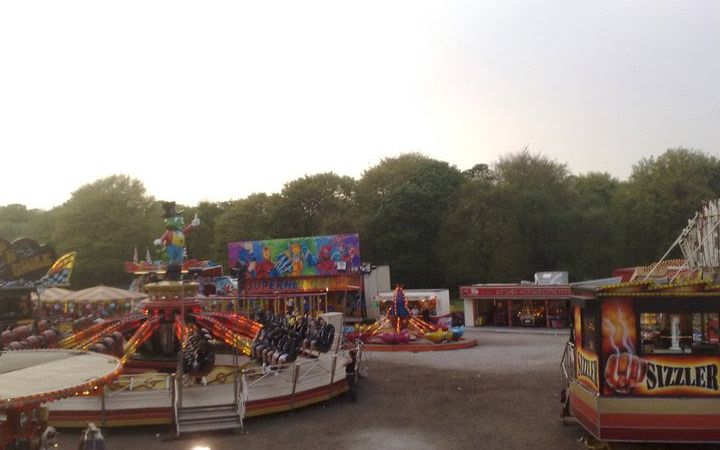
For bouncy castles and fairground rides, read our inflatables and rides safety guide before you book. The HSE says event organisers have prime responsibility for the health and safety of the public attending and the contractors working for them, so pick suppliers who can show you their paperwork.
A raffle or tombola held as part of the day is usually an incidental lottery, with limits on what you can spend on prizes and expenses. See raffles and lotteries rules.
Money handling: keep it simple and safe
- Decide prices in advance and keep them round: £1, £2, £5.
- Take card payments as well as cash. Check signal on site beforehand.
- Give each stall a float in a numbered bag and record it.
- Collect surplus cash regularly so tins don't fill up, and always with two people.
- Count at the end with two unrelated people and sign the count sheet.
- Bank promptly and report the total to the committee with a short breakdown, so next year's planning has real figures.
Rain stopped play: your weather plan
Write down now what you'll do if it rains or blows. Inflatables are the first thing to go in wind: the HSE says they should not be used in winds above 24 mph, or lower if the manufacturer's manual says so, and wind should be measured with an anemometer. See the HSE bouncy castle advice.
Agree in advance who decides to close an attraction, and who tells the public. Ask suppliers what their cancellation and bad-weather terms are before you sign. Have a covered area, such as a marquee or the clubhouse, for food and stalls. If the forecast is grim, agree a cut-off time for cancelling and tell everyone how you'll announce it.
HSE guidance says employers must carry out a risk assessment when planning a fundraising event, covering emergency plans, traffic, disabled access, gas cylinders and services like electricity. For volunteer-only clubs it's good practice and insurers often ask for one. See HSE fundraising guidance.
Committee questions
How far ahead should we start planning a fun day?
Three months is a sensible minimum for a summer weekend, because popular suppliers book up. Six months gives you time to chase sponsors.
Do we need a licence to sell alcohol at our fun day?
Usually yes, if the event is open to the public. Many clubs give a Temporary Event Notice. See our licences guide.
How many volunteers do we need?
There's no fixed number. List every job, including set-up and pack-down, then staff each in short shifts. Most clubs underestimate pack-down.